






- About Us
- |
- Our Blogs
- |
- FAQ's
- |
- Contact Us
Why Every Equestrian Business Needs the Right Rug Maker
- Home
- /
- Why Every Equestrian Business Needs the Right Rug Maker

A rug is only as good as the hands that made it. Khalique Sons International on what separates a reliable manufacturer from the rest.
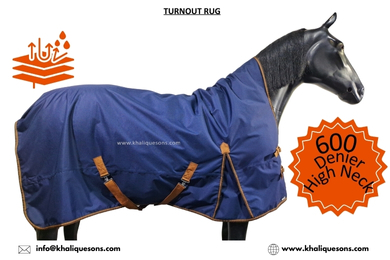
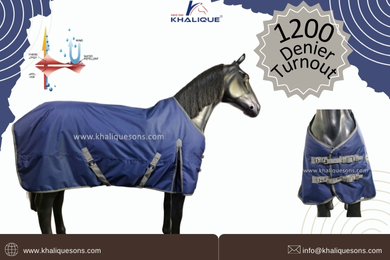
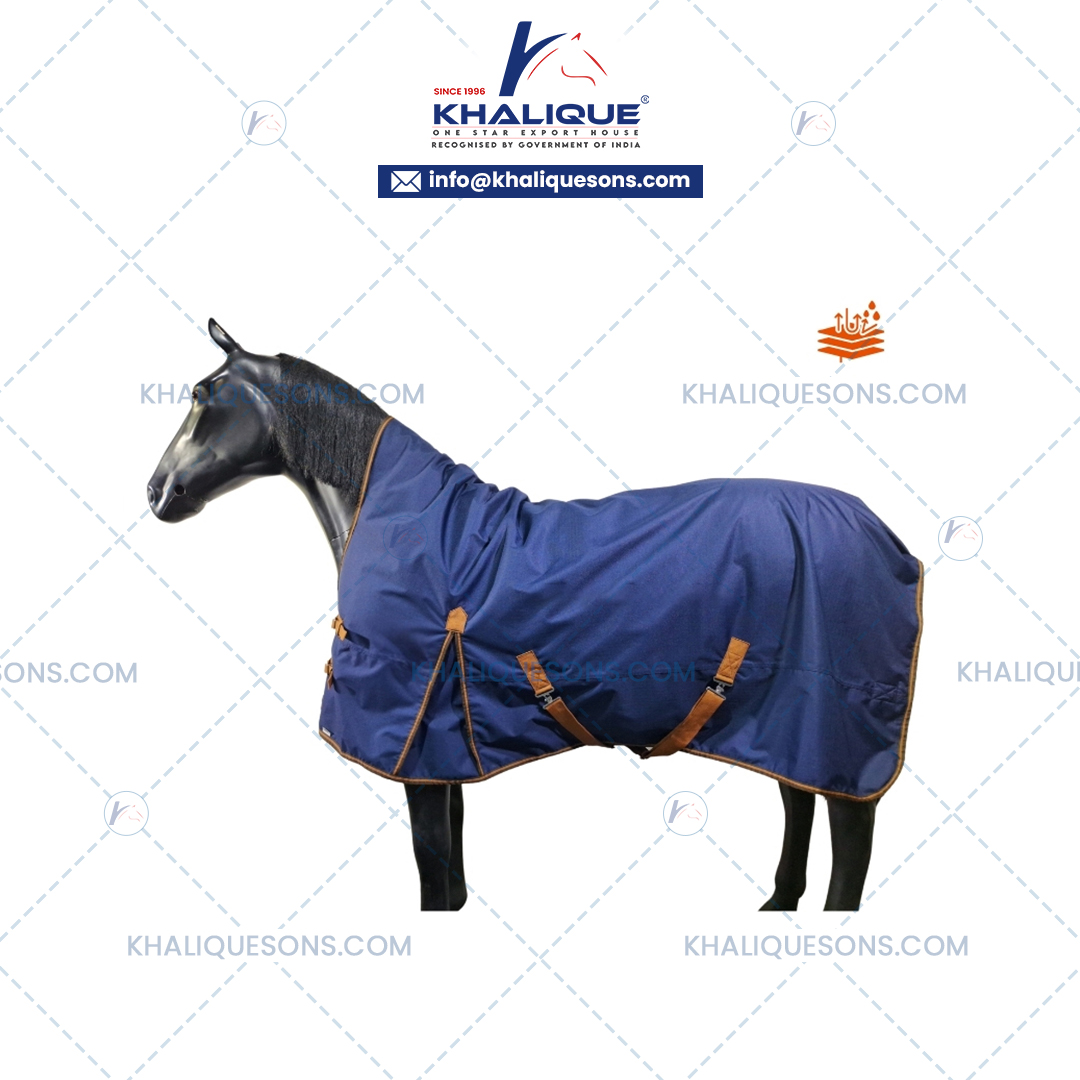
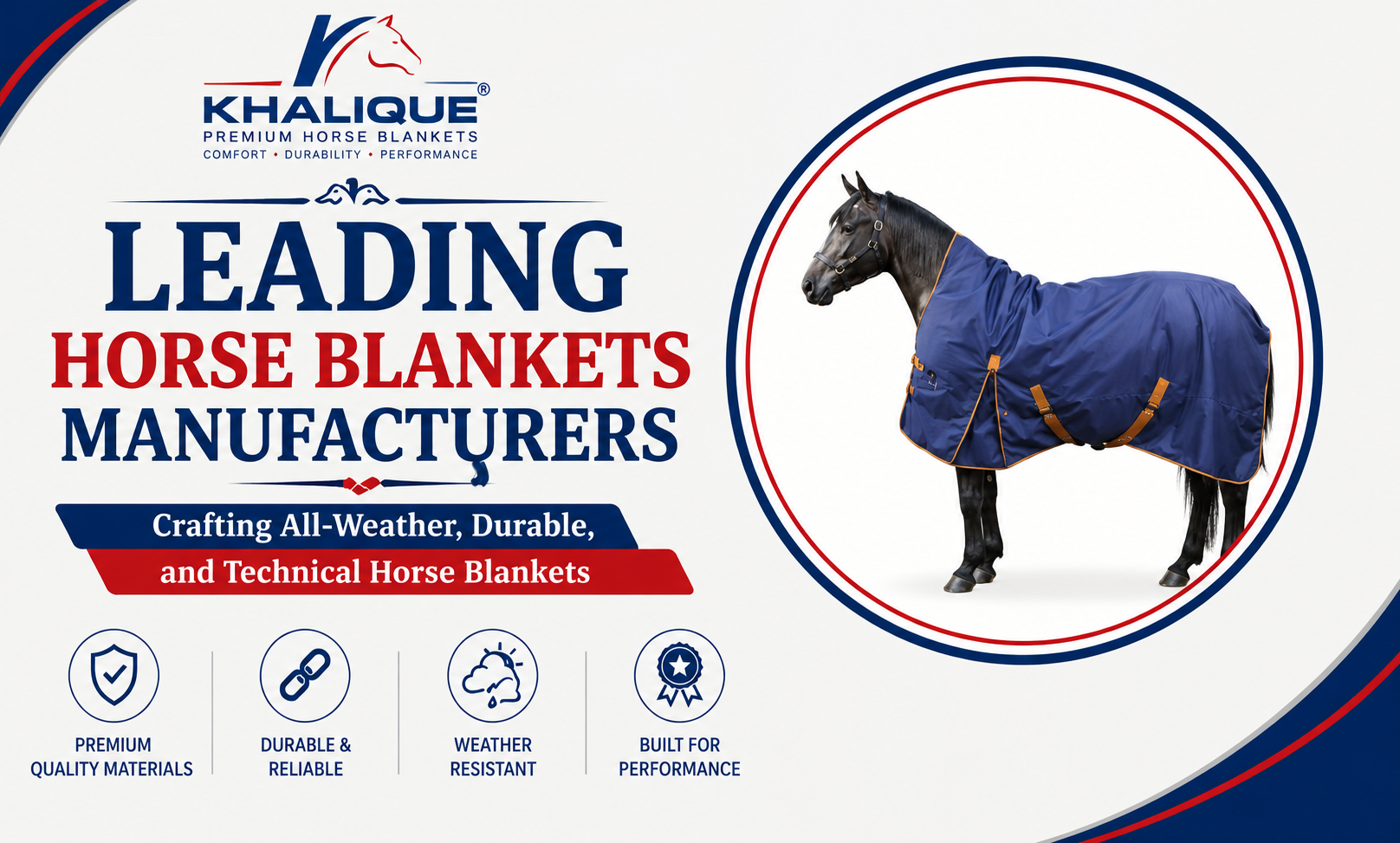
Walk into any stable on a cold January morning and you'll spot it right away — the one horse standing miserable under a rug that's basically given up. Seams pulling apart at the shoulder, straps gone stiff, padding flattened into nothing. It happens more often than people think, and it usually traces back to one thing: buying from whoever quoted the lowest price instead of a manufacturer who actually knows horses. This is the gap that serious Horse Stable Rug Manufacturers are supposed to fill, and honestly, most stable owners only figure out who's good at it after a few bad purchases.
Khalique Sons International came into this business the slow way — not through a catalog or a factory tour, but through years of sitting with leather workers, tailors, and the horse owners themselves, hearing directly what goes wrong with a rug six months in. A rug isn't just cloth cut into a horse shape. In winter it's the difference between a healthy coat and a shivering animal losing weight it can't spare. In summer, get the fabric wrong and you've built a sauna instead of a shield. None of that gets solved by guessing.
What Actually Goes Wrong With Cheap Rugs
Ask around any yard long enough and someone will tell you about a rug that split down the back seam after three washes, or buckles that rusted shut by the second winter. These aren't freak incidents — they're what happens when nobody tested the fabric under real conditions before shipping a container of them out.
A rug earns its keep by surviving the boring, repetitive stuff: a horse rolling in mud, rubbing its shoulder raw against a fence post, getting hosed down every other day. That means the stitching has to be doubled where it matters, the buckles need to resist rust, and the lining can't chafe against skin that's already sensitive. None of this shows up in a product photo. You only find out once the rug has been through a season.
Summer Rugs Deserve Their Own Design, Not a Thinner Copy
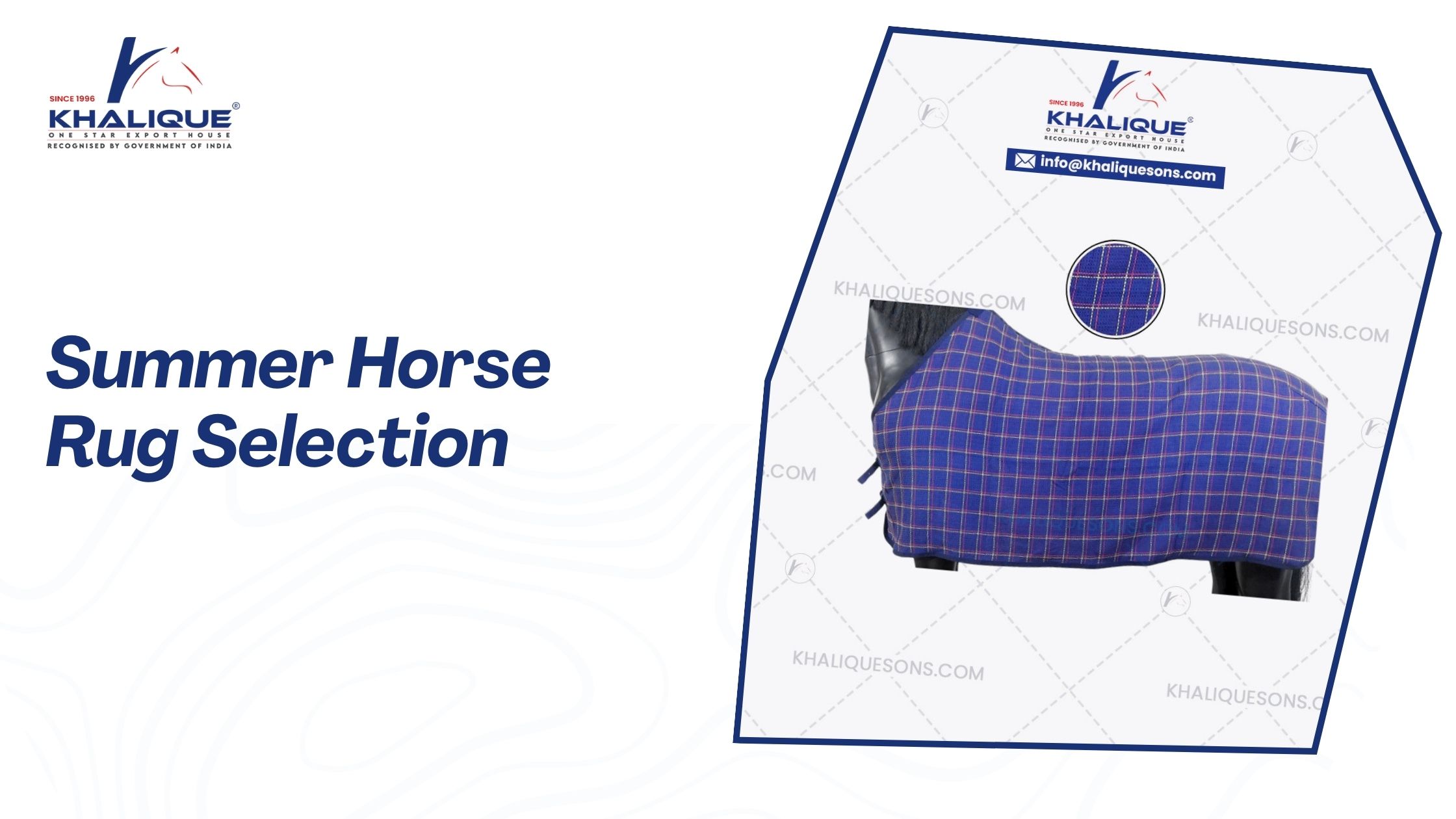
Here's a mistake buyers make constantly — assuming a summer rug is just a winter one with less stuffing. It isn't, or at least it shouldn't be. A proper summer piece gets built from a completely different starting point. Airflow matters more than warmth. So does UV protection, and keeping flies off without trapping heat against the horse's back.
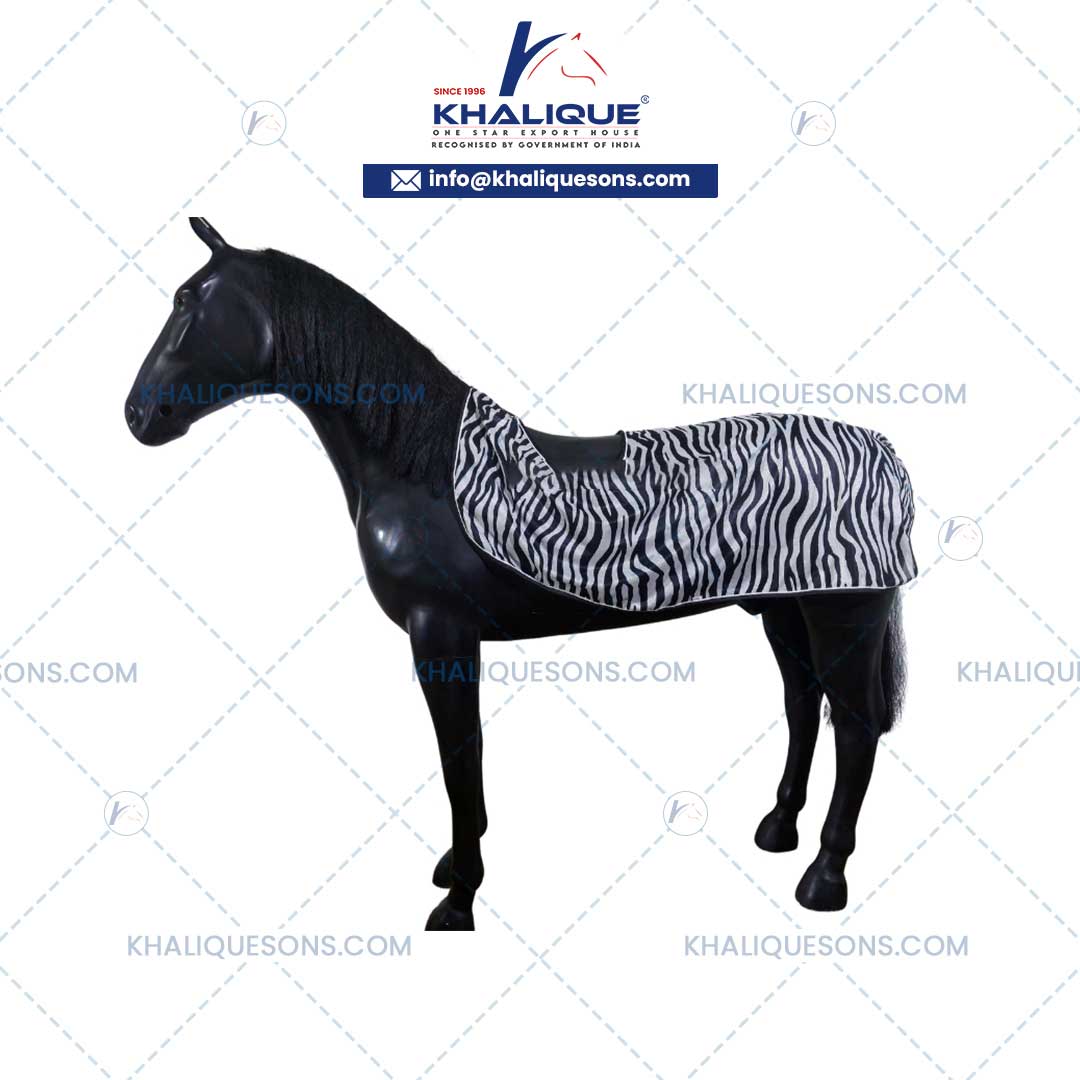
Get the mesh weave wrong, or place the shoulder seams badly, and a horse can end up worse off in a "cooling" rug than with no rug at all — sweating under fabric that doesn't breathe, skin irritated by the wrong lining. Good Summer Horse Rug Manufacturers understand this isn't a scaled-down winter product; it's its own category with its own rules.
Combo Rugs Fewer Pieces, Same Protection
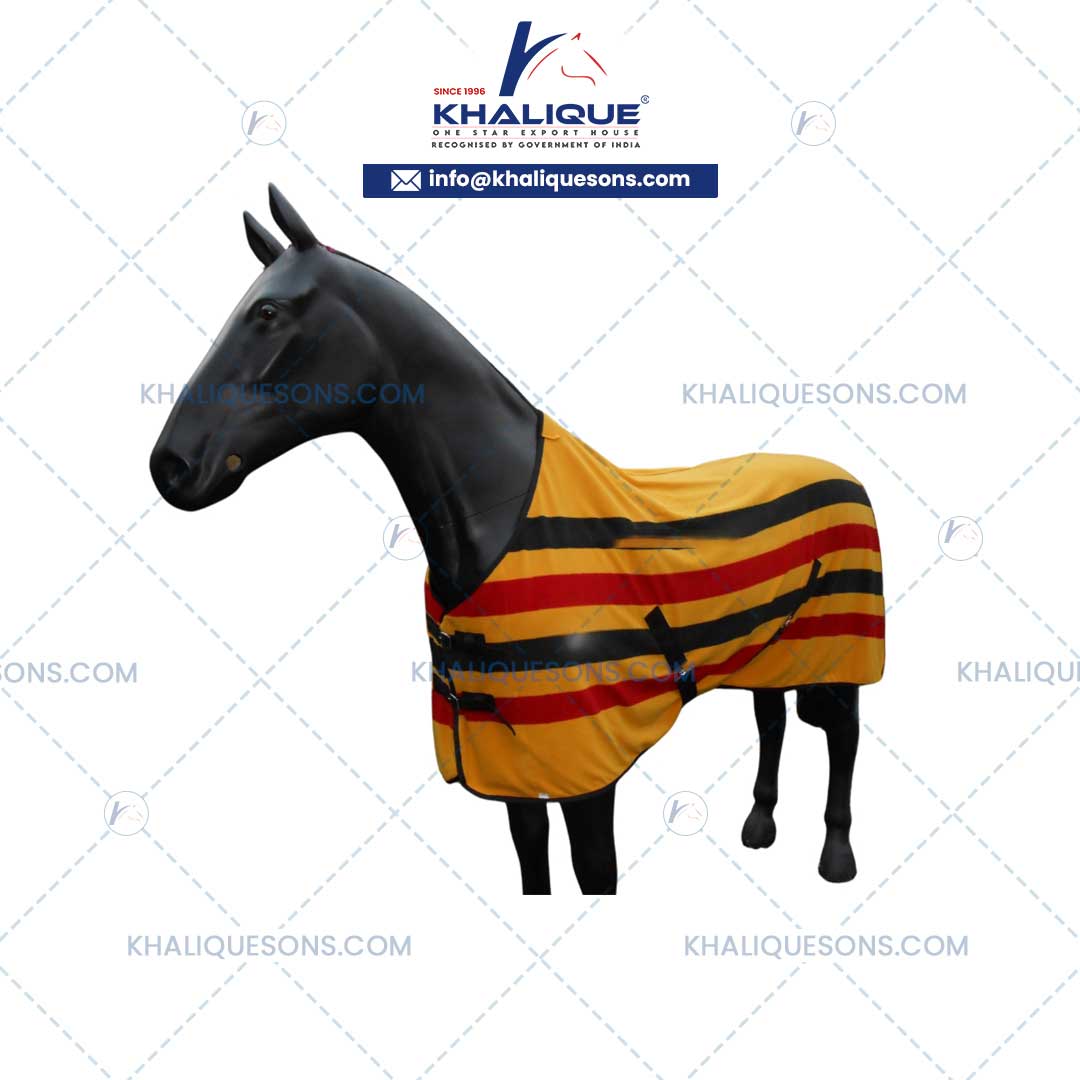
More stable owners are moving toward combo setups these days, and it makes sense once you've dealt with the alternative — a tack room full of separate liners, sheets, and neck covers for every season, half of which never get used because nobody can find the matching pieces. Combo rugs solve that by letting one outer shell take detachable liners depending on the weather.
The catch is that building one properly is harder than it looks. The layers have to actually fit together without gaps at the neck or shoulder, and the attachment points can't be the first thing to wear out. That's where experienced Horse Combo Rug Manufacturers earn their reputation — not from the concept, which is simple, but from getting the fit and durability right across sizes.
Why Experience Still Beats a Nice Catalog
A few things separate a manufacturer worth working with from one that just looks good online:
-
Fabric that's chosen for how it holds up, not how it photographs
-
Stitching patterns that have been adjusted after actual complaints, not just factory defaults
-
A willingness to change sizing or strap placement for a specific breed or region
-
Bulk orders where the 500th rug matches the first one, not a slightly cheaper version of it
That last point is the one people underestimate most. Anyone can make one great sample. Making the same quality across a full production run is where most manufacturers quietly cut corners — and where Khalique Sons International has spent years building its name instead.
Conclusion
Truth is, nobody's stable needs the fanciest rug on the shelf or a supplier with a slick website. What actually matters is finding someone who picks up the phone when a batch of buckles comes out wrong, who fixes a sizing mistake without a fight, and who's stitched enough rugs to already know where the weak points usually show up before your horse finds them.
That's the real test, not the brochure or the per-unit rate. It's whether the people behind the rug have been at this long enough to have earned opinions about it. Khalique Sons International has picked up those opinions the hard way, through years of getting it wrong, fixing it, and getting it right the next time. If you're comparing suppliers right now, that kind of history counts for more than any spec sheet ever will.
So before placing a bulk order, just ask them what's gone wrong in the past and how they handled it. A manufacturer willing to be upfront about their own mistakes is usually the one who's actually learned something from them.