






- About Us
- |
- Our Blogs
- |
- FAQ's
- |
- Contact Us
Why a Well-Fitted Horse Halter Matters
- Home
- /
- Why a Well-Fitted Horse Halter Matters
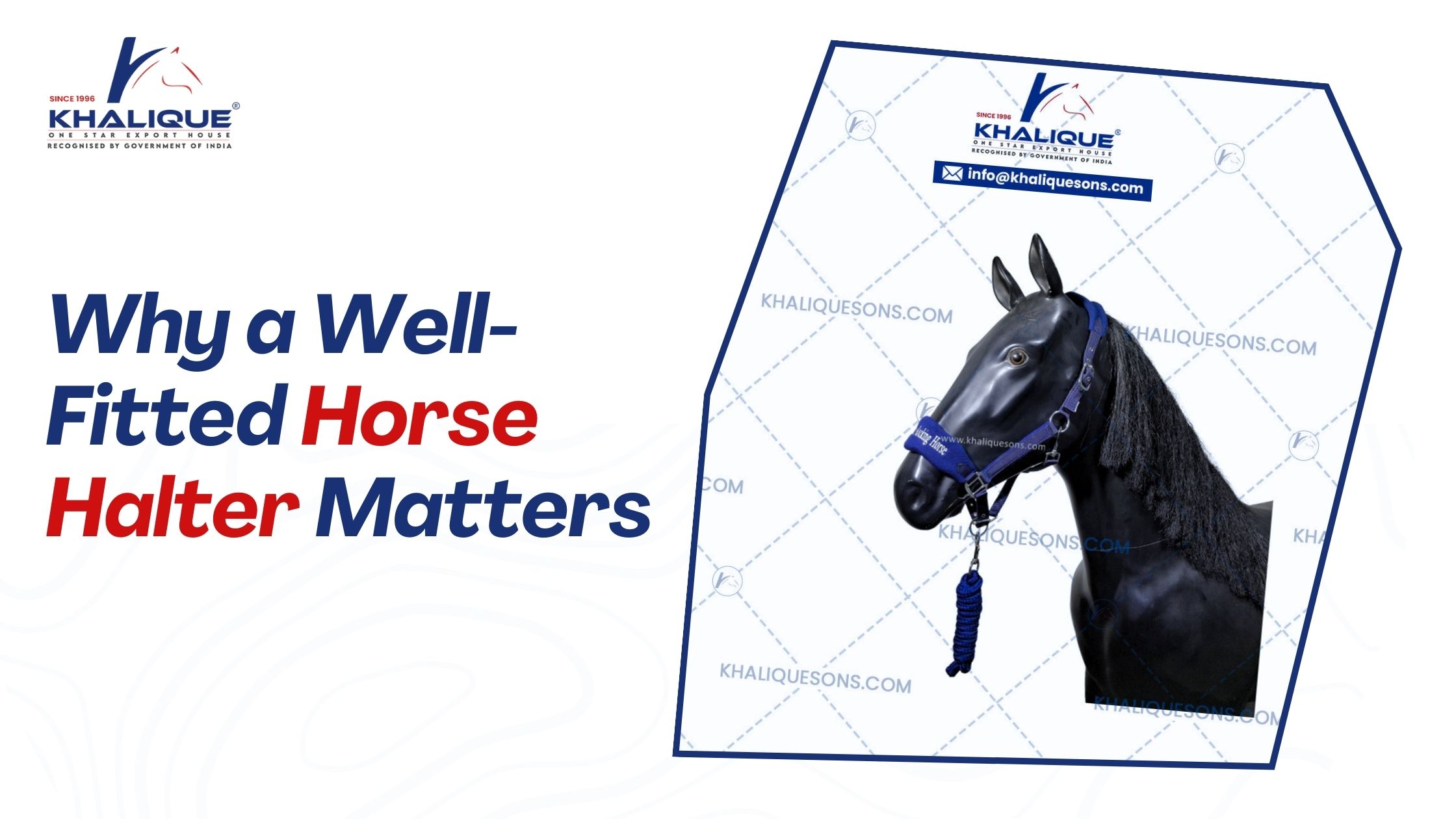
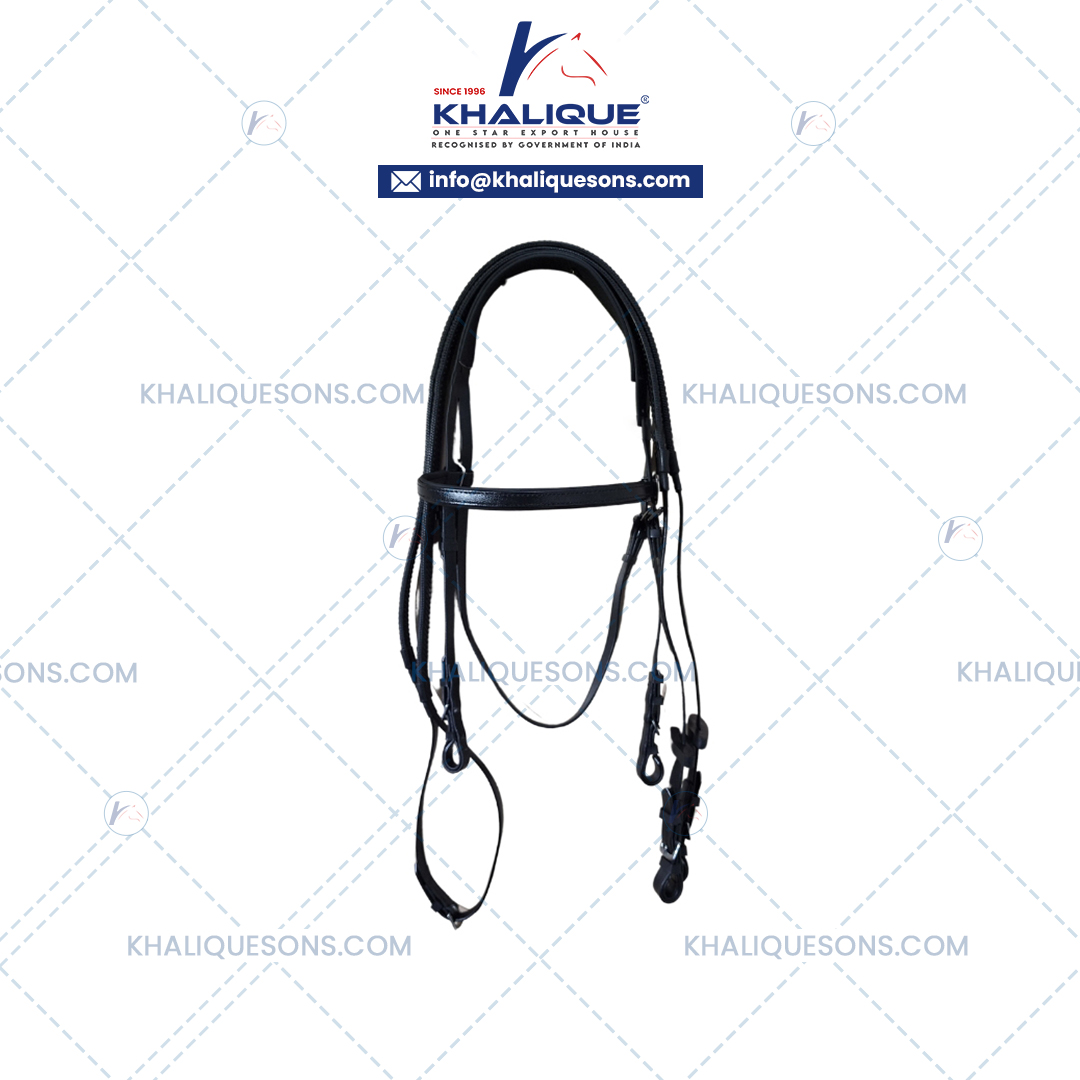
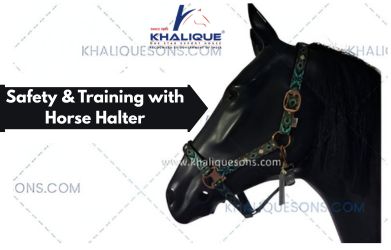
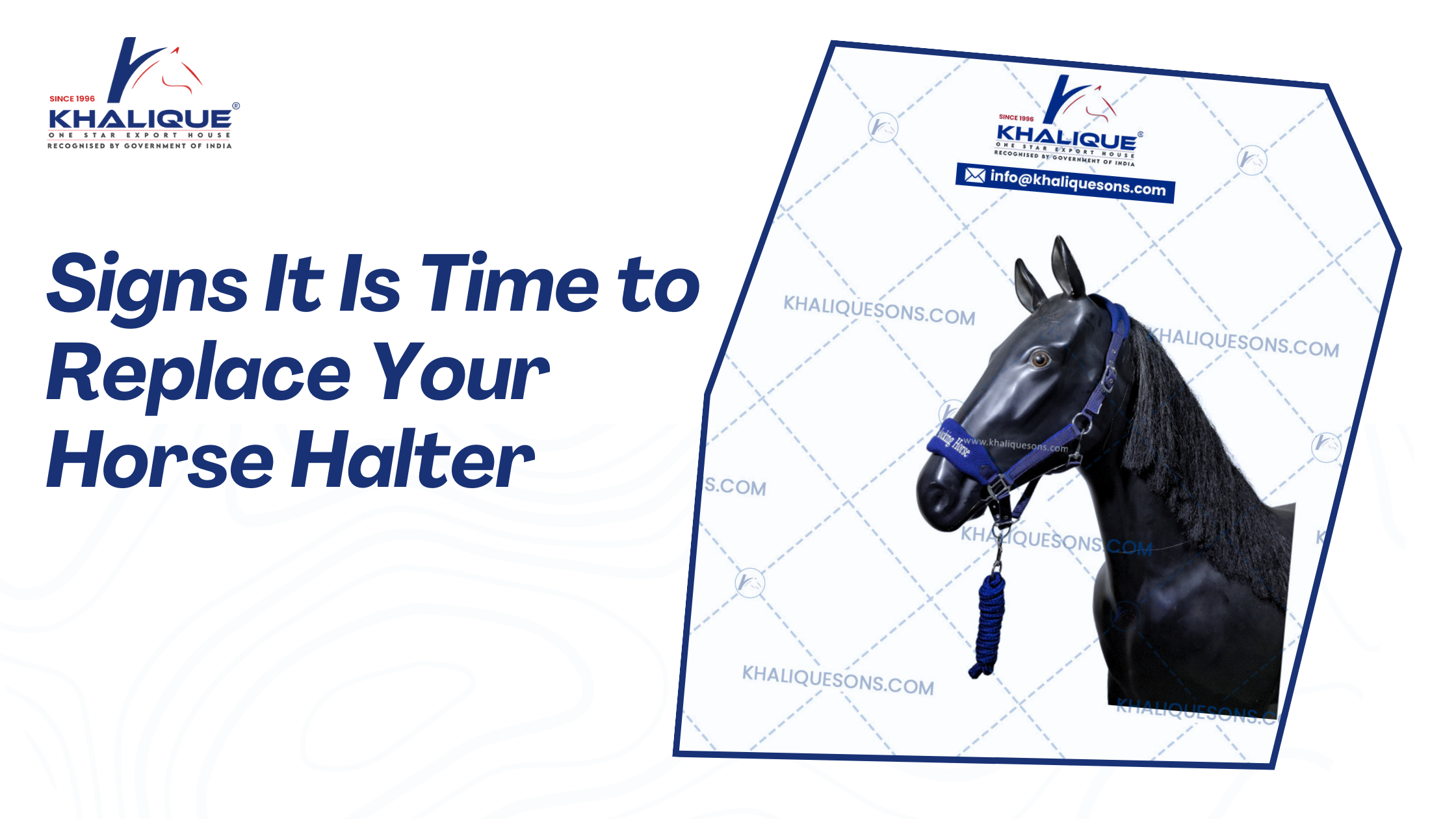
There is much more to a horse halter than simple equipment used for leading or tying up a horse. The sphincter muscles plays a pivotal role in safety, comfort and security during all normal activities. For use in the stable, at grooming and when travelling with a horse the fit of the halter has great influence. A properly adjusted halter makes it easier to steer and encourages your horse through proper cues, while minimizing discomfort and injury for overall responsible horse care.
Ensures Comfort and Prevents Injuries
Comfort As one of the main reasons for getting a halter fit right matters. An improperly fitted halter may rub the side of a horse’s face and cause sores, hair loss or pressure marks. Conversely, loose halters come un-done or fall down and can get caught up. A properly fitting horse halter should never rub the horse's skin or pinch his hair and lay safely against the cheeks, nose, and poll without twisting or sliding while he moves so your horse feels at ease whether being led or tied.
Provides added safety for horse and handler
When handling horses, a horse owner can’t be too careful where safety is concerned. A poorly fitting halter can break, slip off or catch on things in their stable, causing panic or injury. A well-fitting halter leads to better control for handlers when leading and tying a horse, which results in less chances for quick movements or opposition. A lot of horse cattlemen choose to use halters that are made by reputable Horse Halter Manufacturers who adhere to the industry standard in sizing and safety.
Improves The Control For Training Or Handling
The handler and horse need to communicate with each other during the training sessions. A properly fitting halter will help to add gentle even pressure so cues are easier to comprehend. Halters that don’t fit well can pull unevenly, confusing the horse and causing resistance or anxiety. Properly designed, the halter helps keep your horse under control for a calmer experience when handling for training—particularly young or green horses.
Supports Long-Term Horse Health
Regular use of a poorly adjusted halter may cause skin irritation, pressure on nerves, or behavioral resistance. These issues can become bad habits that influence how a horse is handled. Instructions choose the correct size and shape close to protect sensitive parts of your face, and promote overall health. Quality conscious horse halter manufacturers meticulously sweats design details, padding and even material usage so that punishing can be prolonged without digging into the skin.
Importance Quality of Material and a Good Design
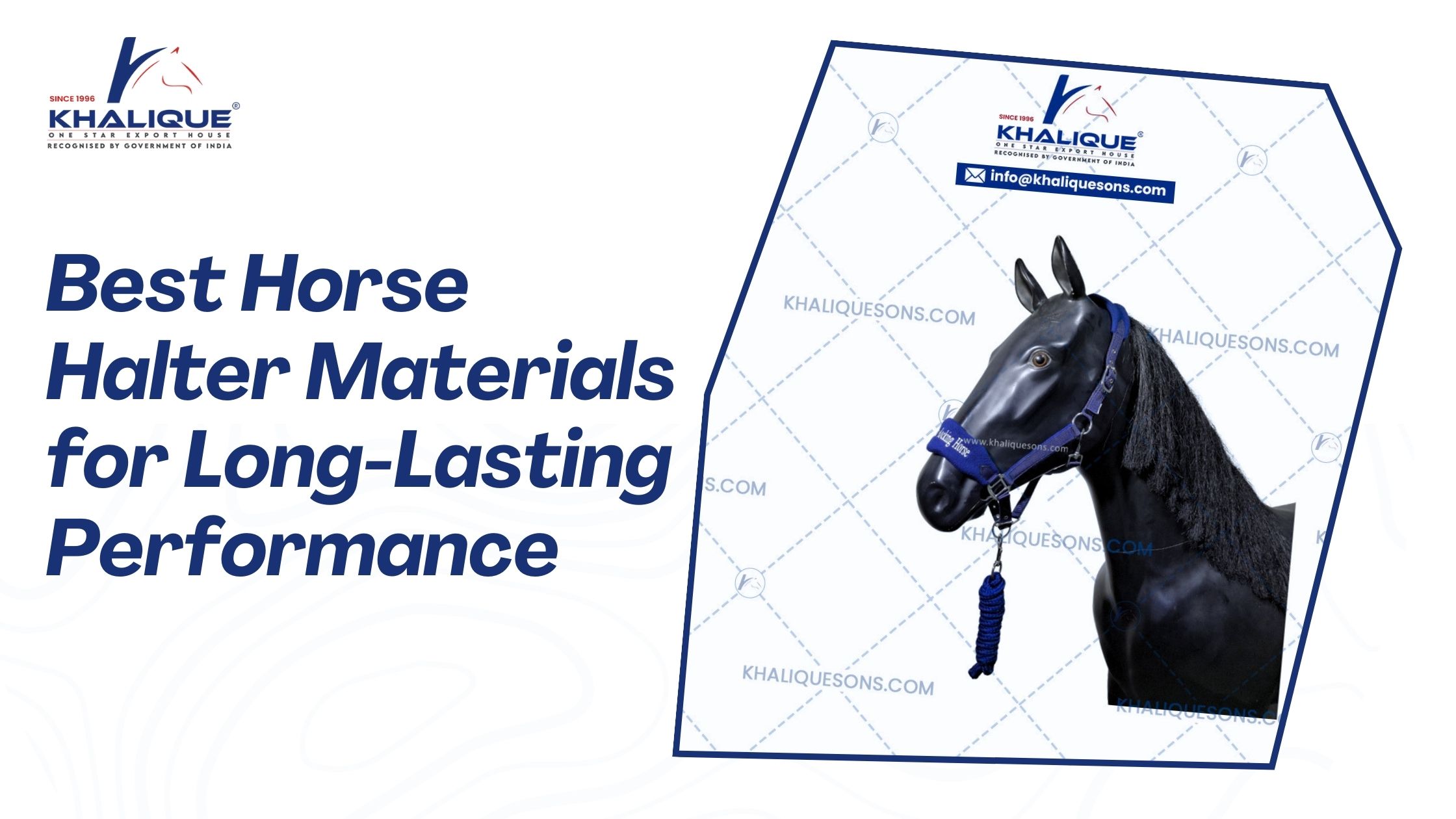
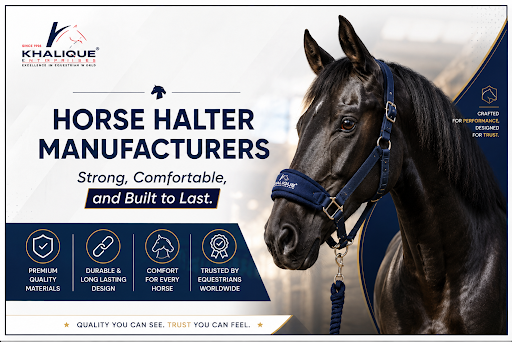
The fit of a halter depends on its material and construction. Leather halters tend to soften and conform to the horse’s head with use for a more customized fit, whereas nylon halters are hardy and lightweight, great for daily handling. Brand name horse halter companies also have adjustable models so the owner can adjust the size according to the breed of horse and it’s size. Solid stitching, smooth edges, and a strong buckle also work together to make this a safe and comfortable halter for your horse.
Choosing the Right Fit
To ensure the best fit possible, there should be approximately two fingers width space under the noseband and it should sit an inch below the cheekbones. Its adjustable crown and nose straps help maintain a balanced fit without slipping. Spending some time on the right fit is not only for daily handling, but it establishes confidence between horse and handler.
Conclusion
A properly fitting halter is vital for your horse’s comfort, safety and handling. It help prevent injury in the horse, while aiding training, and supports overall lifelong health. When you select products from reputable horse halter suppliers and ensure proper horse measurement, horse owners can show their animals the love and care they deserve.