






- About Us
- |
- Our Blogs
- |
- FAQ's
- |
- Contact Us
Signs It Is Time to Replace Your Horse Halter
- Home
- /
- Signs It Is Time to Replace Your Horse Halter
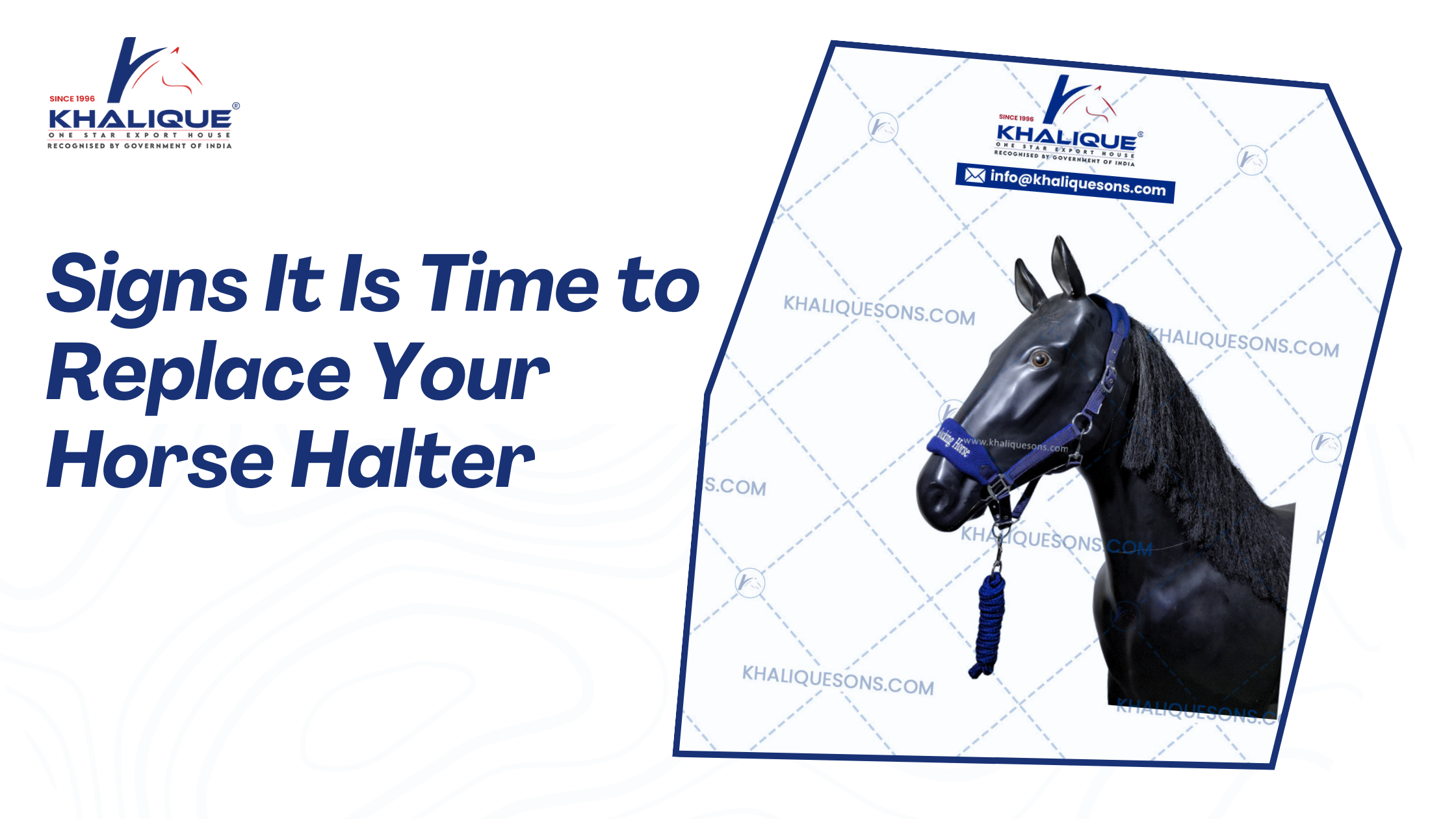
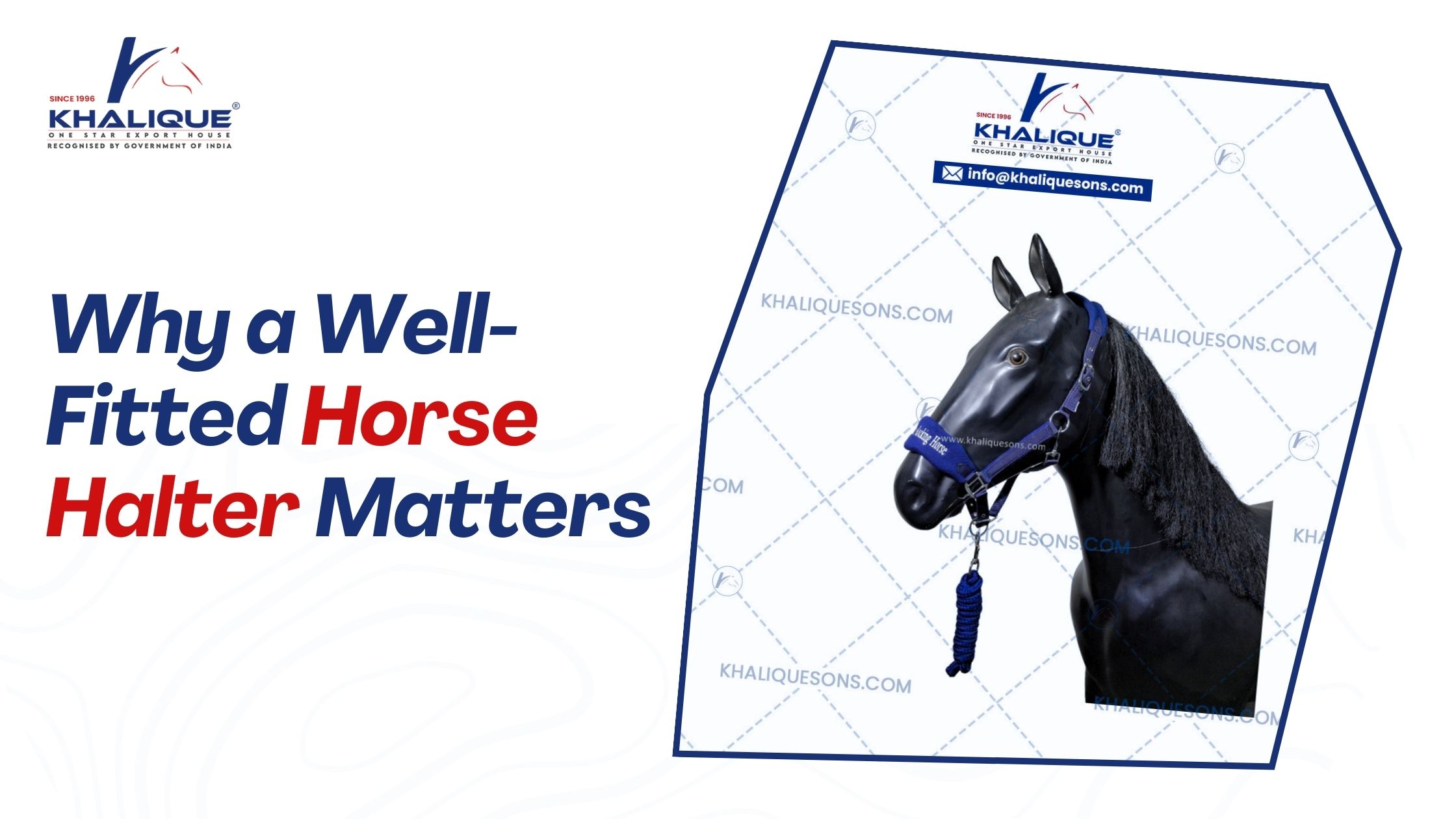
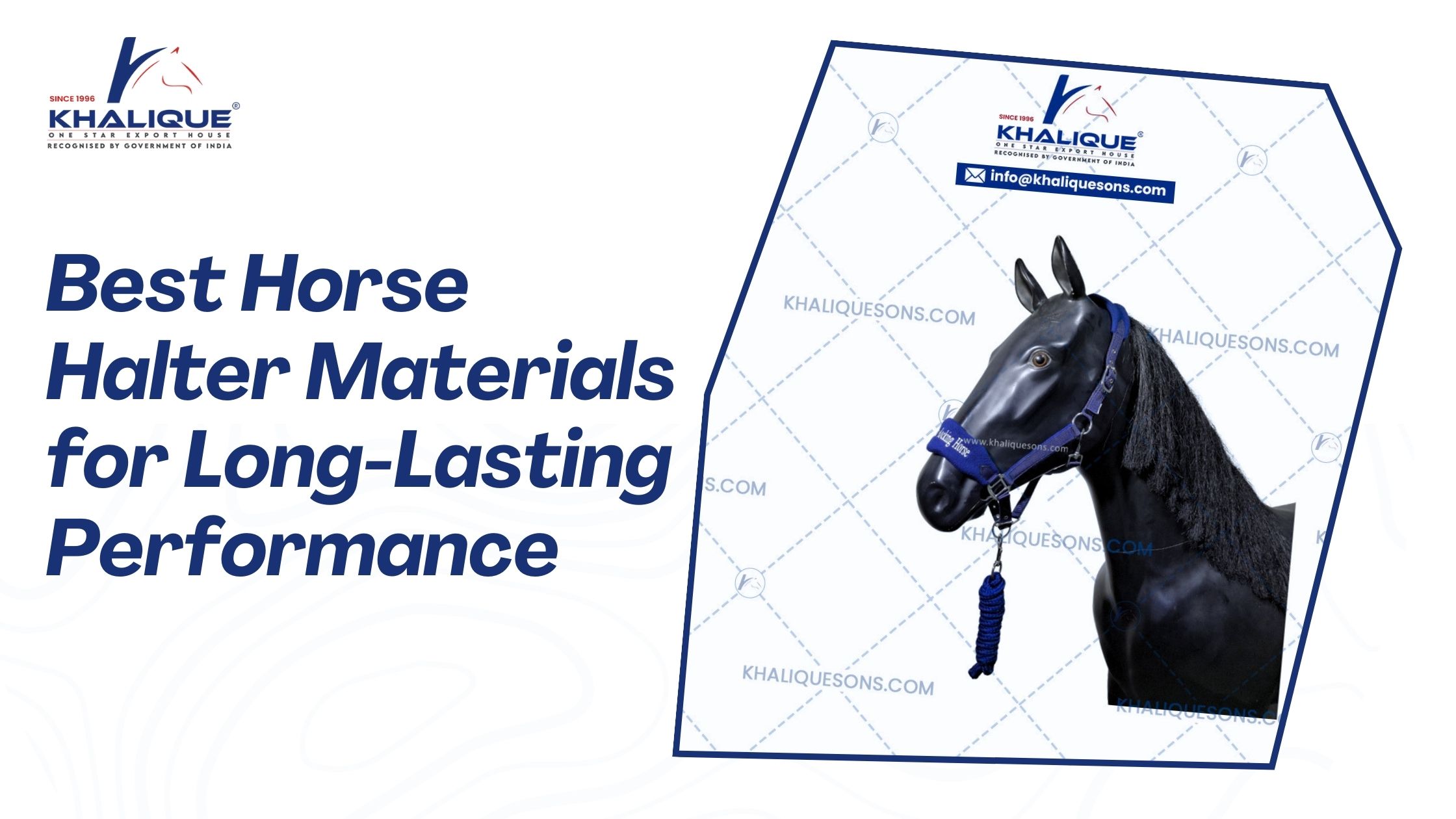
Haltering a horse is a part of everyday equine handling. This is important for safety, and comfort. Halters are a part for grooming, leading, tying, or even putting a horse out to pasture along with other equine gear. Halters can become damaged over time as a part of everyday gear for equestrians. Exposure to the weather can cause halters to become damaged over time. They can break or the range of structural weakness can run to the point of putting your horse in danger with discomfort.
Haltering a horse is a part of everyday equine handling. This is important for safety, and comfort. Halters are a part for grooming, leading, tying, or even putting a horse out to pasture along with other equine gear. Halters can become damaged over time as a part of everyday gear for equestrians. Exposure to the weather can cause halters to become damaged over time. They can break or the range of structural weakness can run to the point of putting your horse in danger with discomfort.
So, in this description, we are going to examine the range of factors we can look for when halters seem to become damaged in a range of signs along with explaining why it is smart to get a good halter from the best Horse Halter Exporters.
1. Halter Wear and Tear
The signs of horse halters do not become visible and clear out of nowhere. Fraying, or using, and edges are a sign of halter ropes and halters. Frays and edges are always signs from components of halter materials that are gone or diminished. They can become rope halters to void thinned and of strands and rough end of the fiber. They also become pony of the other leather. The horse gets dead steroids and rough of its skin.
Even the slightest wear and tear can impact the strength of the halter. A halter that is too weak can break suddenly under pressure, creating a safety hazard while handling or tying. If you see signs of worn out stitching, uneven material, and tear edges, then it is time for a halter replacement.
2. Altered or Damaged Hardware
The material of the halter is equally as important as the buckles, rings and clips. Without timely replacement, metal parts can lead to a halter that is ineffective. Rusted, broken, or bent parts can lead to operational difficulties, like buckles that can be tough to adjust and rings that won’t hold securely.
Metal that is damaged can cause further issues, like irritation and injury to the skin of the horse. If you notice that the parts of the halter are damaged, it is a good idea to replace the halter completely.
3. A bad fit
With time, horses change. Factors like weight gain, growth in young horses, and muscle development can alter the fit of the halter. Even the halters that once fit perfectly can become too tight or too lose.
A poor fit can cause irritation which is sometimes visible as:
-
Red marks or bald patches on the nose or cheeks.
-
Pressure points or even pain behind the ears.
-
The halter slipping or rotating easily.
A halter that fits poorly can cause irritation and discomfort, and is likely to restrict movement and control when handling the horse. When adjustment straps do no give a good fit, it may be time to replace the halter.
4. Stiff or Brittle Material
Halter materials can lose flexibility and become stiff and brittle from exposure to the sun, rain, horse sweat, and dirt. Even with regular conditioning, leather halters can become dry and brittle. A worse halter is a faded nylon one.
A stiff material is more likely to snap and is more uncomfortable for horses. A material that no longer feels supple or resilient should be replaced.
5. Weak or Loose Stitching
The stitching on a halter is important for maintaining the structure and integrity of the halter. Over time, stitching may loosen, break, or pull away from the material, especially in the parts that receive the most stress, like the noseband and cheek straps.
Loosened or broken stitches erodes the integrity of the halter. Sudden failures are triggered by weak stitching even when the rest of the halter appears intact.
Breaking halters before they break ensures accidents and injuries are avoided.
Beneath the surface of some halters lies broken stitching. The halter could break when you least expect it if it isn't already broken.
6. Loss of Control or Accidents while Leading
Losing your halter control while leading or tying your horse is a solid indicator the halter needs to be replaced. Stretching of the fabric, oversized adjustment holes, or a distorted shape of the halter erodes the control.
You should be fully confident to guide the horse in any direction without the need to readjust the halters regularly. When you fully lose control of the halter it's a sound indication the end of the halter is here.
7. Daily Use Risks
The biggest concern should always be safety. If the halter has the potential of injuring the horse and you, assuming the halter has some safety and strength issues is correct. If you are anticipating a flaw in the halters construction, there's a high chance that the halter breaks when you least expect it.
The ultimate goal is to eliminate any potential threats and injuries. The value of breaking halters and replacing them before they are broken is risk control and high safety standards.
8. Low Quality Construction or Outdated Design
Improvements in equestrian equipment mean that halters now offer better comfort, durability, and safety. Older halters may be missing padded nosebands, breakaway features, or ergonomic shaping.
By choosing modern halters that are produced by reputable manufacturers or experienced Horse Halter Exporters, you are guaranteed high quality materials, superior craftsmanship, and designs that conform to international safety standards.
9. When Hygiene Becomes an Issue
With time, halters become infested with sweat, debris, and bacteria. Regular cleaning may prove insufficient, the halter may continue to stink and irritate the skin.
When removing grime and bacteria can no longer be achieved through cleaning, the halter must be replaced to ensure the horse remains in optimal skin health and comfort.
10. Quality Replacement Halters are an Investment
When a worn halter is replaced, it’s more than avoiding problems; it’s about enhancing your horse’s day to day experience. High quality halters, especially those from reputable sources and Horse Halter Exporters, are created to endure regular usage while ensuring comfort and safety.
Choose halters made with premium materials, quality reinforced stitching, rust resistant metal parts, and inclusive sizing options. Quality equipment is an investment that will save you money in the long run ensuring you chose the right equipment.
Conclusion
Although a horse halter may look simplistic, the quality of a halter directly communicates the level of safety, comfort, and control that can be attained. Being able to identify the signs of wear and tear (i.e. signs of fraying, damaged, ill-fitting, or weak stitching) allows horse owners to avoid the high risks that come with worn halters by enabling them to replace the halters in a timely manner.
The most critical signs of responsible horse ownership are frequent inspections and replacements of horse halters. The most responsible horse owners are those who choose quality, high performance, and cost effective horse halters by purchasing them from well-established exporters and manufacturers of horse halters.